
Booking a yacht experience can be one of the highlights of a coastal vacation. You might spend an afternoon swimming in a secluded bay, sail past dramatic cliffs at sunset or explore several islands aboard a private boat.
But choosing the right yacht charter is not always as simple as selecting the nicest-looking boat.
Two experiences with similar photographs may offer very different itineraries, levels of privacy, onboard facilities and booking conditions. Some are private charters reserved exclusively for your group. Others are shared cruises with individual tickets. A traditional week-long yacht rental is different again.
If you are planning your first trip on the water, this guide will help you understand your options, compare costs and choose an experience that suits your destination, budget and travel plans.
1. Start with the Experience You Want
Before comparing boats, think about how you would like to spend your time.
Are you looking for a quiet afternoon with your partner? A boat trip with children? A swimming and snorkeling excursion? Or a sailing holiday that allows you to explore several coastal towns over multiple days?
The purpose of your trip should guide your choice of vessel and itinerary.
For a romantic escape, consider a private sunset cruise or a small-group sailing experience with scenic coastal views.
For families, look for suitable passenger facilities, shaded seating, accessible boarding arrangements and clearly stated age restrictions.
For swimming and snorkeling, prioritize itineraries with planned water stops and enough time to enjoy them.
For sightseeing, consider routes that pass landmarks, islands or coastal formations you particularly want to see.
For experienced sailors, a traditional yacht charter may offer a more involved sailing experience, including multi-day itineraries.
A larger or more expensive yacht is not necessarily the best option. The right choice is the experience that matches how you want to spend your day.
2. Understand the Different Types of Yacht Charter
The word “charter” is used broadly in travel marketing. It can describe anything from an exclusive two-hour boat excursion to a fully crewed yacht reserved for an entire week.
Understanding the differences helps you avoid booking something that does not meet your expectations.
Private Yacht Charter
A private yacht charter generally reserves the entire vessel for your booking group.
This arrangement provides more privacy than a shared cruise and may allow greater flexibility with the itinerary, depending on the operator.
Private charters are especially attractive for couples, families, celebrations and small groups traveling together.
However, private does not necessarily mean fully customizable. Some operators follow a fixed route even when the vessel is reserved exclusively for one group.
Shared Boat Cruise
Shared cruises operate with passengers from different booking groups.
They usually follow a scheduled itinerary, with a fixed departure time and established stops.
This can be an excellent option if you want to enjoy the scenery without paying for an entire boat. Shared excursions are often particularly practical for solo travelers and couples.
Check the maximum passenger count before booking. A small-group cruise and a large sightseeing vessel can provide very different experiences.
Crewed Yacht Charter
A crewed charter includes professional personnel responsible for operating the vessel.
Some experiences include only a captain, while others may have additional crew for hospitality, meals and guest services.
The precise level of service depends on the charter.
For travelers without sailing experience, a professionally operated boat excursion is generally more suitable than taking responsibility for navigating a vessel independently.
Bareboat Charter
A bareboat charter is a different arrangement.
The customer rents a vessel without a professional captain or operating crew supplied as part of the charter. The charterer assumes responsibility for operating the boat under the terms of the agreement.
Companies may require evidence of sailing experience, recognized qualifications and familiarity with the type of vessel.
Requirements vary between destinations and operators.
Bareboat rentals are intended for appropriately qualified sailors rather than travelers simply looking for a relaxing boat tour.
Top Yacht currently focuses on professionally operated experiences available through travel booking partners. Dedicated bareboat arrangements may be added in the future.
For a more detailed comparison, read our guide to yacht charter types.
3. Choose the Right Type of Boat
Different vessel designs create different experiences on the water.
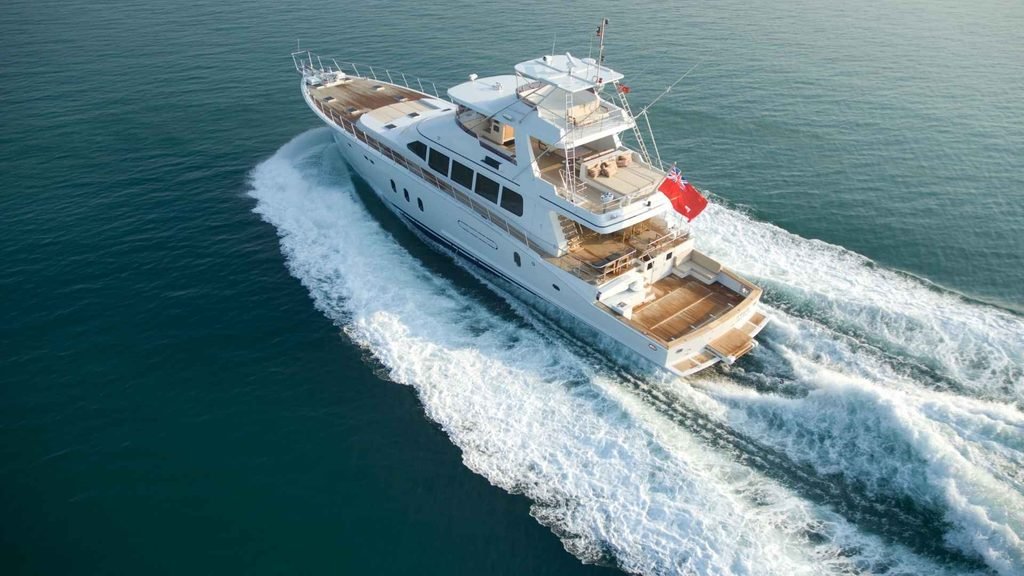
Motor Yachts
Motor yachts are often a good choice for coastal sightseeing, private swimming trips and excursions that visit several locations.
Depending on their size, they may offer shaded seating areas, bathrooms, cabins and comfortable outdoor spaces.
Because they rely on engines for propulsion, fuel arrangements and cruising distances can be important pricing considerations.
Catamarans
Catamarans have two hulls and generally offer wide deck areas and generous space for relaxing.
They are popular for daytime excursions, sunset cruises and island-hopping experiences.
Both sailing and motor-powered catamarans are available. Some operate as private charters, while others carry passengers on shared departures.
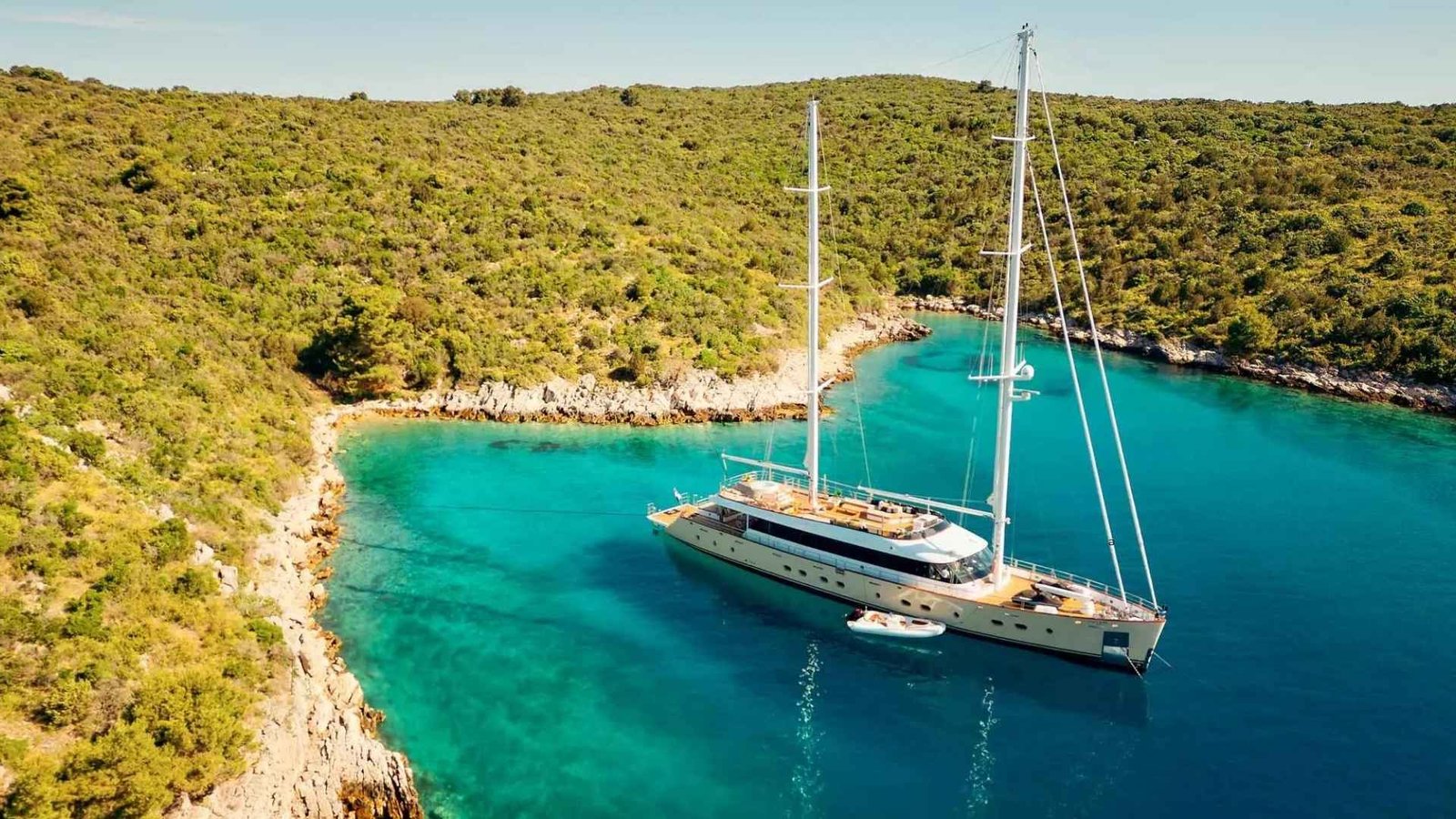
Sailing Yachts
Sailing yachts appeal to travelers who want the experience of sailing to be part of the journey.
Wind conditions can influence the route and the amount of sailing possible. Many sailing yachts also have auxiliary engines.
If you are interested in traditional sailing, confirm whether the excursion is expected to use sails during suitable conditions or mainly operate under engine power.
Gulets
Gulets are traditional wooden vessels strongly associated with Turkey and the Eastern Mediterranean.
They are often used for leisurely coastal cruises, combining scenery, swimming stops and onboard hospitality.
Some are available for private group charters, while others operate scheduled itineraries.
If a relaxed day exploring the Turkish coast sounds appealing, gulet-style cruising may be worth considering.
4. Compare the Total Cost, Not Just the Advertised Price

One of the most common mistakes when comparing yacht experiences is looking only at the starting price.
A listing might display a price per person, per group, per boat or per charter period.
For example, a private experience priced at $600 for a group of six works out to $100 per person when fully booked. A shared cruise at $85 per person would cost $510 for the same six travelers.
The shared option is cheaper in this example, but the private trip may offer exclusivity and a different onboard experience.
These figures are illustrative rather than actual Top Yacht offers.
Before booking, check whether the quoted price includes:
- The entire vessel or individual passenger tickets
- Captain and crew services
- Fuel and port fees
- Meals, snacks and beverages
- Hotel or accommodation transfers
- Snorkeling equipment and other activities
- Taxes and mandatory local charges
- Gratuities or optional extras
For longer charters, expenses such as provisioning, marina fees, security deposits and fuel can materially affect the final cost.
A lower advertised price does not always mean better overall value.
5. Read the Itinerary Carefully
Beautiful photographs can attract attention, but the itinerary tells you how your time will actually be spent.
Look beyond the headline and examine the scheduled route.
How many stops are included? Some excursions visit several locations, while others concentrate on one or two places.
How long is each stop? A brief photo stop is different from an hour spent swimming.
Will the boat dock or anchor offshore? Seeing a beach from the water does not necessarily mean going ashore.
Does the experience include swimming? Coastal sightseeing cruises may not provide opportunities to enter the water.
Can the itinerary change? Wind, sea conditions, port restrictions and operational circumstances can affect the route.
It is also worth checking whether the advertised duration includes transfers or only time aboard the vessel.
A well-paced itinerary with fewer stops can sometimes be more enjoyable than a busy schedule that leaves little time to relax.
6. Consider the Destination and Season
The right yacht experience can vary significantly depending on where and when you travel.
Santorini, Greece
Santorini is known for its volcanic caldera, steep cliffs and striking views of whitewashed villages above the sea.
Catamaran excursions and sunset cruises are popular ways to experience the coastline.
If you are interested in swimming, check the stops included in the itinerary. If the sunset is your priority, pay close attention to departure times and the route.
Explore our Santorini yacht charter guide.
Bodrum, Turkey
Bodrum is an established coastal destination with sheltered bays, marinas and a long tradition of boating.
Private boat excursions and gulet-style cruises offer opportunities to enjoy the surrounding coastline and spend time in the water.
Compare trip duration, meals, departure points and whether your booking includes exclusive use of the vessel.
Explore yacht experiences in Bodrum.
Seychelles
The Seychelles offers a different type of boating experience, shaped by tropical islands, distinctive granite formations and marine scenery.
Island-hopping excursions may include beaches, snorkeling areas and scenic passages between islands.
Travel times, sea conditions and suitable routes vary depending on the islands visited and the season.
Explore our Seychelles yacht experiences.
Why Weather Matters
Boat trips are more dependent on weather and sea conditions than many land-based excursions.
Wind, waves, visibility and local marine forecasts can affect comfort, safety and the planned itinerary.
For example, seasonal winds in the Aegean can influence summer sailing conditions around the Greek islands.
Do not assume that a sunny forecast on land guarantees calm conditions at sea.
Always check the operator’s weather-related policies and follow the captain’s safety instructions.
7. Think About Your Group’s Comfort
A boat that is perfect for an adventurous couple may not be the ideal choice for a family with young children or travelers with limited mobility.
Before reserving, consider the needs of everyone in your group.
For families, check minimum ages, life-jacket availability, seating arrangements and whether children can safely participate in the planned activities.
If someone is prone to seasickness, consider the expected sea conditions, time spent in open water and whether the excursion offers sheltered seating.
Travelers with mobility limitations should confirm boarding procedures, stairs, bathroom access and other relevant facilities directly with the provider.
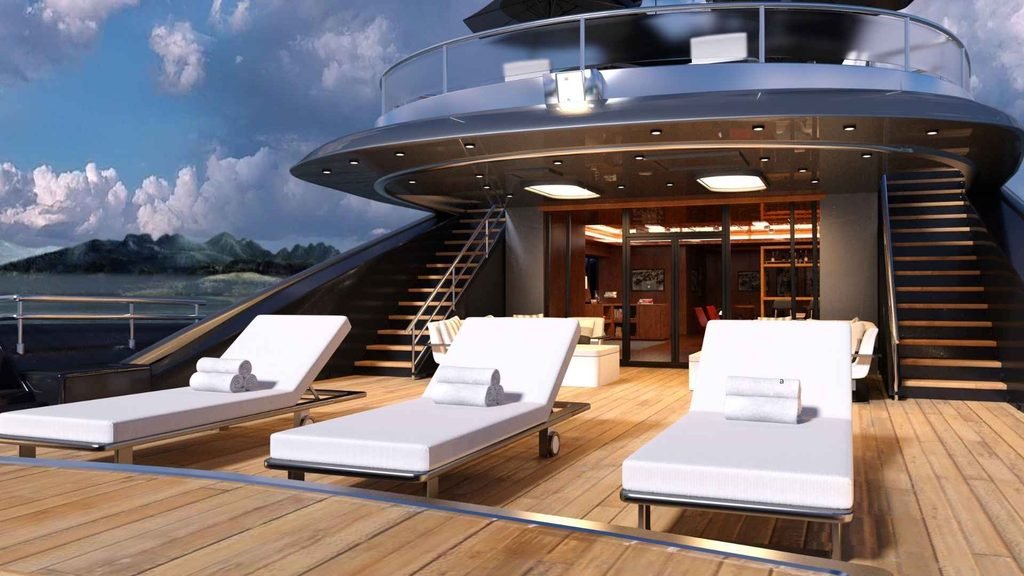
Do not assume a boat is accessible or suitable for children simply because the photographs show spacious decks.
8. Check Reviews and Booking Conditions
Traveler reviews can provide valuable context, particularly when several recent comments mention the same strengths or problems.
Rather than looking only at the overall rating, consider what reviewers say about:
- Communication before departure
- Accuracy of the advertised itinerary
- Cleanliness and maintenance
- Crew professionalism
- Group size and available space
- Food, drinks and other inclusions
- Organization of pickup and boarding
Keep in mind that reviews reflect individual experiences and may not predict exactly what will happen on your trip.
Booking conditions deserve equal attention.
Find out how far in advance you can cancel, whether the booking is refundable, what happens during unsuitable weather and which circumstances allow the operator to modify an itinerary.
Never assume that every experience has the same cancellation policy.
9. Know What Happens After Booking
Once you choose an excursion, the next step is to verify the final details before completing payment.
On platforms such as Viator, the individual experience listing provides booking information, availability and applicable conditions.
After completing a reservation, review the confirmation carefully.
Check the departure date, meeting point, boarding time, passenger details and any instructions concerning identification, clothing or equipment.
If accommodation transfers are included, verify the pickup arrangements.
Save your confirmation and the provider’s contact details so you can access them while traveling.
Top Yacht is an independent travel publication and experience discovery website. We do not directly operate the vessels or manage reservations completed through third-party booking platforms.
For changes to confirmed reservations, contact the relevant booking platform or activity provider.
10. Common Mistakes to Avoid
First-time travelers can avoid many disappointments by checking a few essential details.
Mistaking shared for private. The photographs may show an empty vessel even when the tour is shared with other passengers.
Ignoring the total cost. Compare what is included rather than looking only at the initial price.
Assuming every stop includes shore access. An itinerary may pass a landmark without allowing passengers to disembark.
Choosing the wrong duration. A short cruise may be ideal for sightseeing, but insufficient for travelers who want multiple swimming stops.
Overlooking departure logistics. A beautiful excursion can become stressful if the meeting point is far from your accommodation.
Skipping the cancellation policy. Understand the conditions before paying, particularly if your travel dates may change.
Not checking passenger requirements. Age limits, mobility considerations and safety restrictions may make some activities unsuitable for particular travelers.
A few minutes spent reviewing these details can make a meaningful difference to your experience.
11. Your Yacht Charter Booking Checklist
Before you confirm a yacht experience, make sure you can answer these questions:
- Is the experience private or shared?
- What type of vessel will be used?
- What is the maximum number of passengers?
- How long does the experience last?
- Which destinations and stops are included?
- Are swimming or snorkeling opportunities available?
- What food, drinks and equipment are provided?
- What is the total cost for your group?
- Where and when does the experience depart?
- What happens if the weather is unsuitable?
- What are the cancellation and refund conditions?
- Are there any age, mobility or participation restrictions?
If important information is missing, contact the booking provider before completing your reservation.
Final Thoughts: Choose the Experience, Not Just the Yacht
The best yacht charter is not necessarily the biggest boat, the longest itinerary or the most expensive option.
For some travelers, a private sunset cruise is the perfect way to experience a destination. For others, a shared catamaran excursion with swimming stops provides everything they want from a day on the water.
Start with the destination, consider your group’s needs and compare what each experience actually includes.
Most importantly, choose a trip that gives you time to enjoy the coast rather than simply moving from one attraction to another.
Ready to explore your options? Visit our yacht destinations or compare the different types of yacht charters to find an experience that fits your next trip.